
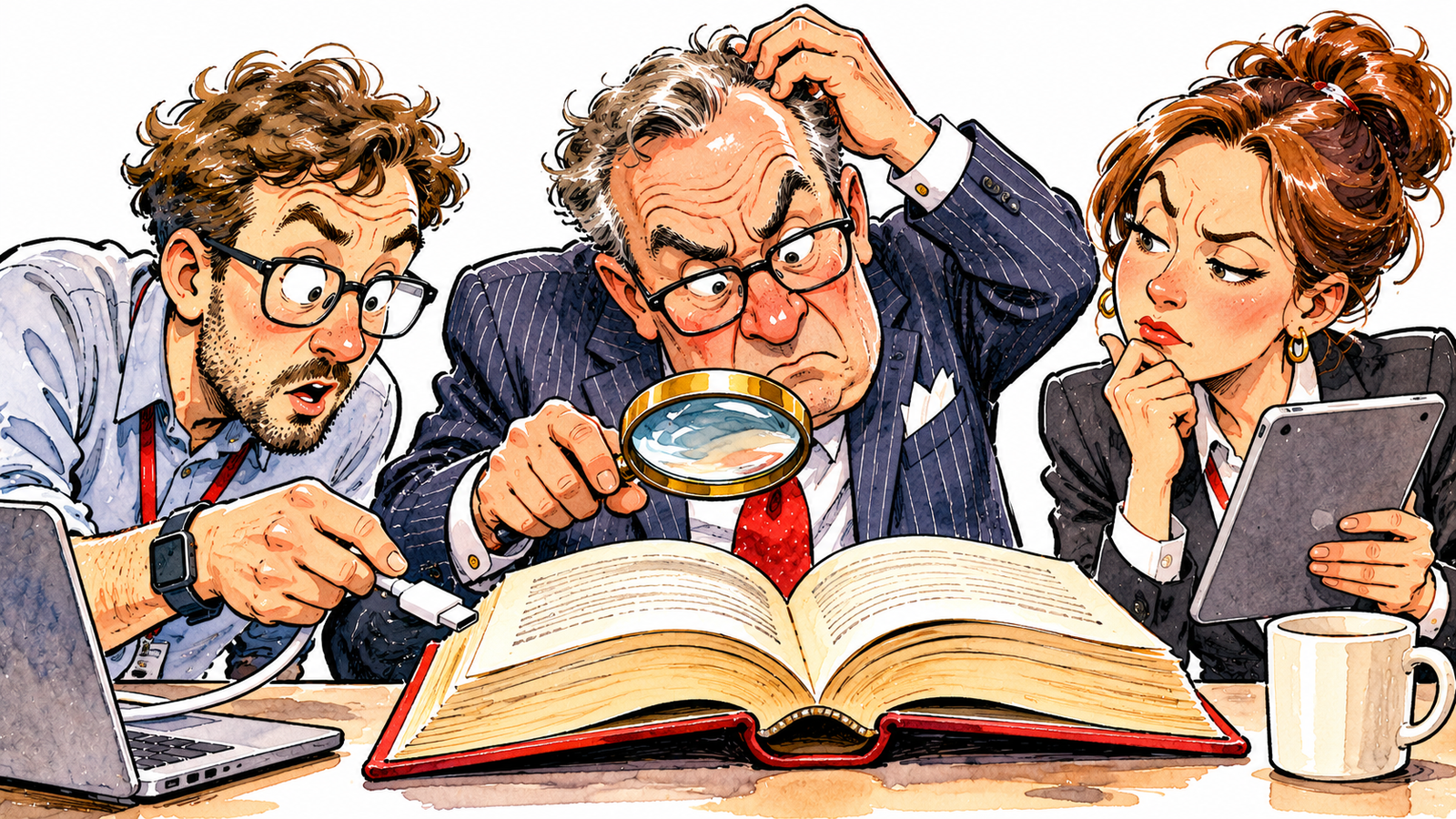
Britain is preparing to distribute a remarkable entertainment device to primary school pupils. It has no charger, no notifications and, in a radical departure from the usual business model, contains everything the recipient needs between its covers.
Research published by the National Literacy Trust today, based on responses from 125,375 young people across 479 UK schools, found that one in eleven respondents had no book of their own. Among those from lower-income backgrounds, the proportion was one in seven.
A surprising absence of terms and conditions
As part of the Queen’s Christmas Present initiative, children turning eleven during this academic year are being given a special edition of Katherine Rundell’s Impossible Creatures. The books are free, and school deliveries took place during October and November.
At an imaginary technology company, an executive examines the product. There is no monthly revenue, no opportunity to sell a larger storage plan and no way to interrupt chapter seven with an advert for a lawnmower. The marketing department looks as though somebody has cancelled Christmas.
An unexpectedly generous upgrade
The real issue is not whether children prefer paper or screens. It is whether they can get hold of books that are theirs to enjoy. A free copy is a welcome practical gesture, particularly when household budgets have to stretch across so many competing demands.
Parents who have spent several years negotiating screen time may also appreciate a device whose principal parental control is the instruction to put the light out.
The book comes with unlimited re-reading. Nobody has yet worked out how to charge for the second chapter.
Sources: National Literacy Trust, 29 November · National Literacy Trust, Christmas book initiative · The Royal Family, 26 November